Read aircraft figures in context
Cruise speed, range and seats become useful only when their definitions and conditions stay attached.
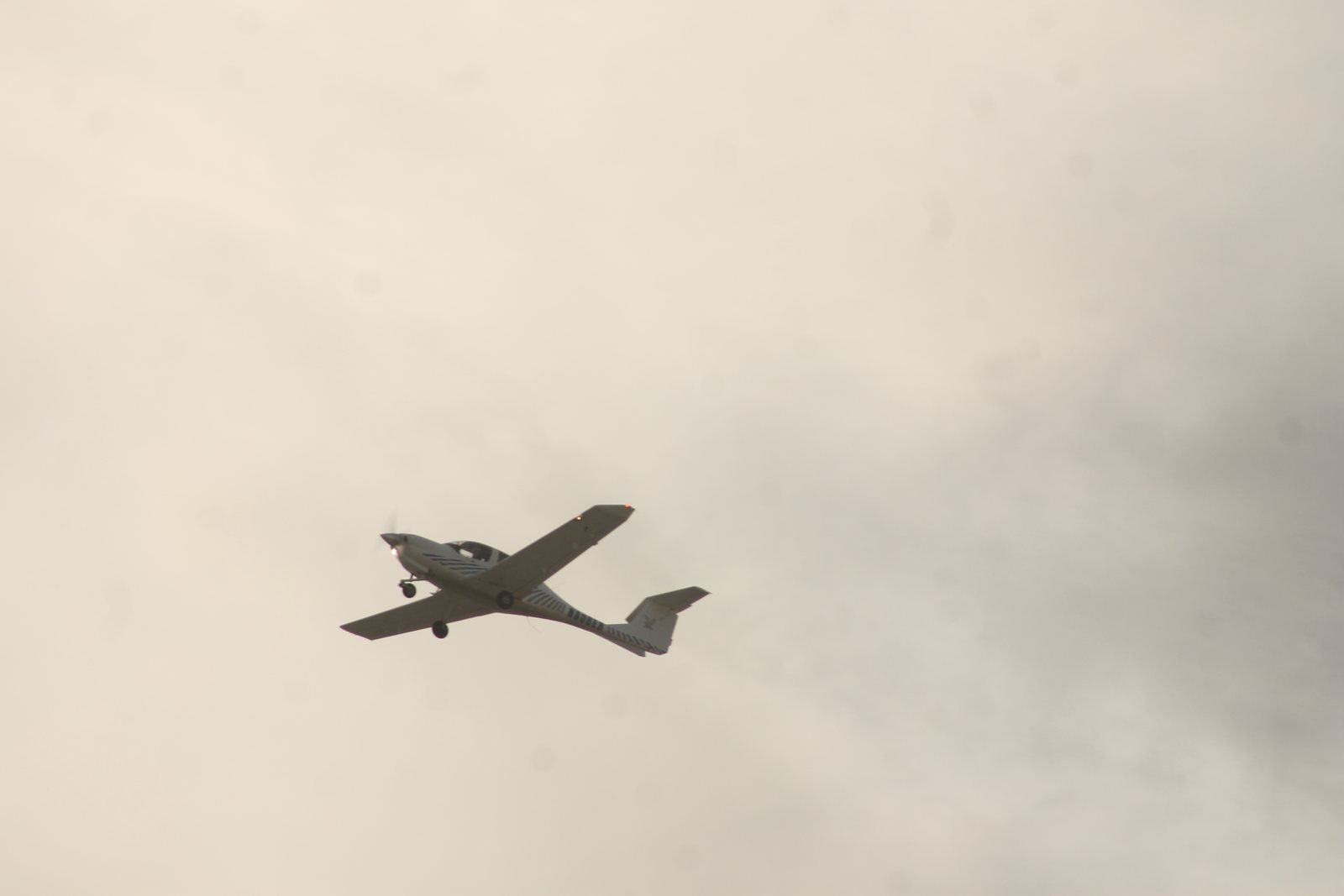

A headline cruise speed is not a promise for every altitude and power setting. Read the speed type, units and test conditions together. Take-off ground roll and the distance to clear an obstacle are also different measurements, even when both appear under a take-off heading.
Range depends on the published assumptions about power, fuel, climb and reserves. A figure excluding reserves is not the distance available for an operational flight. Likewise, seat count does not demonstrate that every seat and the fuel tanks can be filled simultaneously within the aircraft's loading limits.
Compare like measurements and leave gaps visible. Consult the applicable approved flight manual for a particular aircraft, its configuration and operating conditions. This catalog preserves source qualifications so that a convenient table does not turn dissimilar figures into an unsupported ranking.
Source
- FAA — Pilot’s Handbook of Aeronautical Knowledge, Chapter 11: Aircraft Performance ↗
- FAA — Pilot’s Handbook of Aeronautical Knowledge, Chapter 10: Weight and Balance ↗
- FAA — Pilot’s Handbook of Aeronautical Knowledge, Chapter 9: Flight Manuals and Other Documents ↗
- Diamond Aircraft — DA40 Series Technical Specifications ↗
Related reading
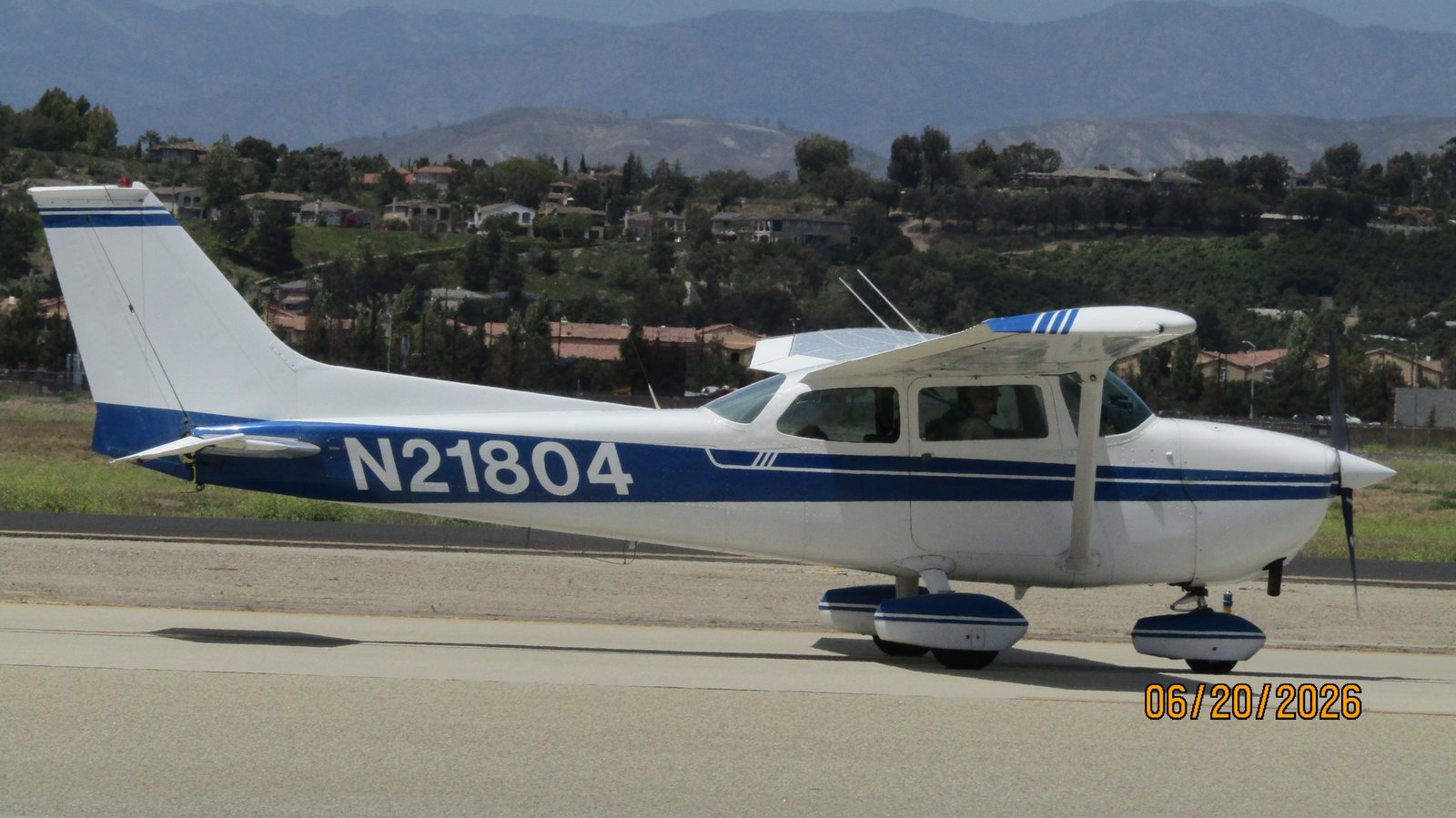

Different paths in general aviation: piston and turboprop
A propeller tells only part of the story. Engine architecture and the intended mission add the context.
Read more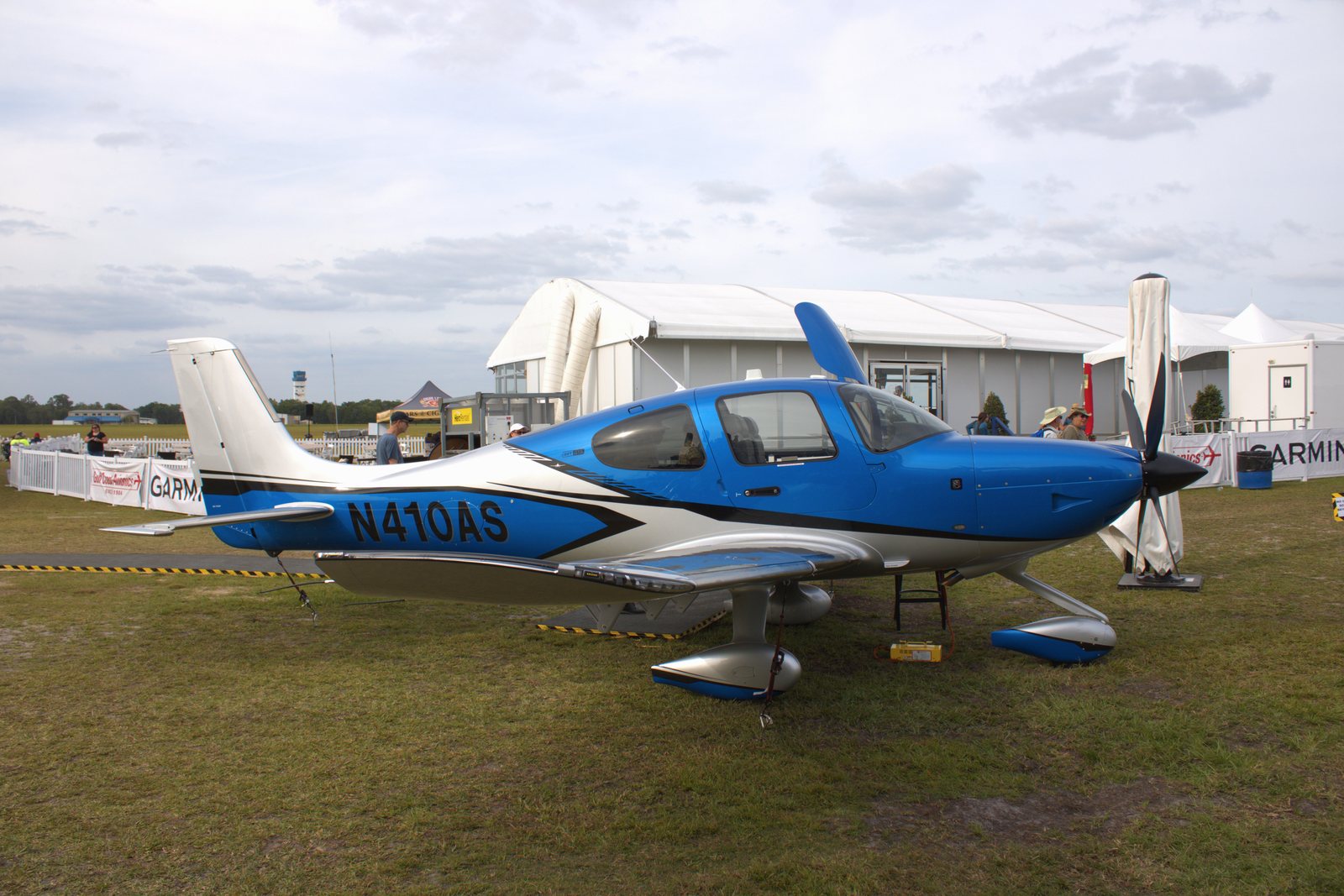
_(4-9-2024).jpg)
Glass cockpits: start with the primary sources
Electronic displays bring information together. The installed system and its documentation determine what it can do.
Read more