Different paths in general aviation: piston and turboprop
A propeller tells only part of the story. Engine architecture and the intended mission add the context.
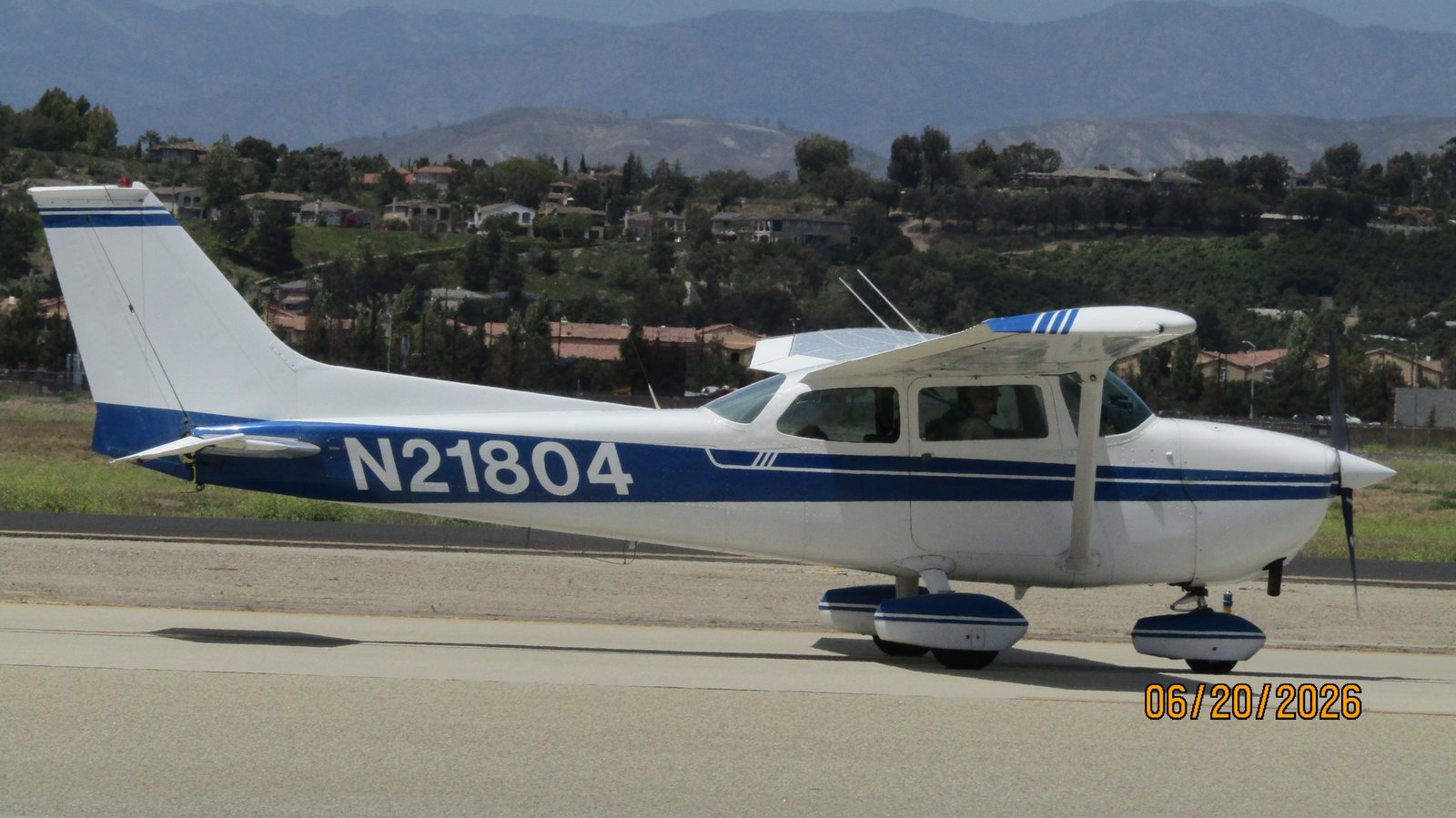

A piston engine turns combustion into the reciprocating motion of pistons, then rotation through a crankshaft. A turboprop uses a gas turbine to drive a propeller. Both propulsion families therefore share a visible feature while using different machinery beneath the cowling.
Fuel alone does not identify the engine family. Diamond lists a compression-ignition piston engine using approved jet fuels for the DA40 NG. The Pilatus PC-12 is a turboprop. A jet-fuel label cannot replace the engine specification.
For an enthusiast, the useful comparison starts with the mission: cabin, loading, runway requirements and published performance conditions. Engine categories help organize these questions; they do not establish a universal winner. This overview does not estimate ownership costs or prescribe an aircraft for a flight.
Source
Related reading

Read aircraft figures in context
Cruise speed, range and seats become useful only when their definitions and conditions stay attached.
Read more
_(4-9-2024).jpg)
Glass cockpits: start with the primary sources
Electronic displays bring information together. The installed system and its documentation determine what it can do.
Read more