Airbus closes Optimate trials: what the research tested
The programme explored airport taxi automation and pilot assistance through simulation, a ground vehicle and an A350 test aircraft.
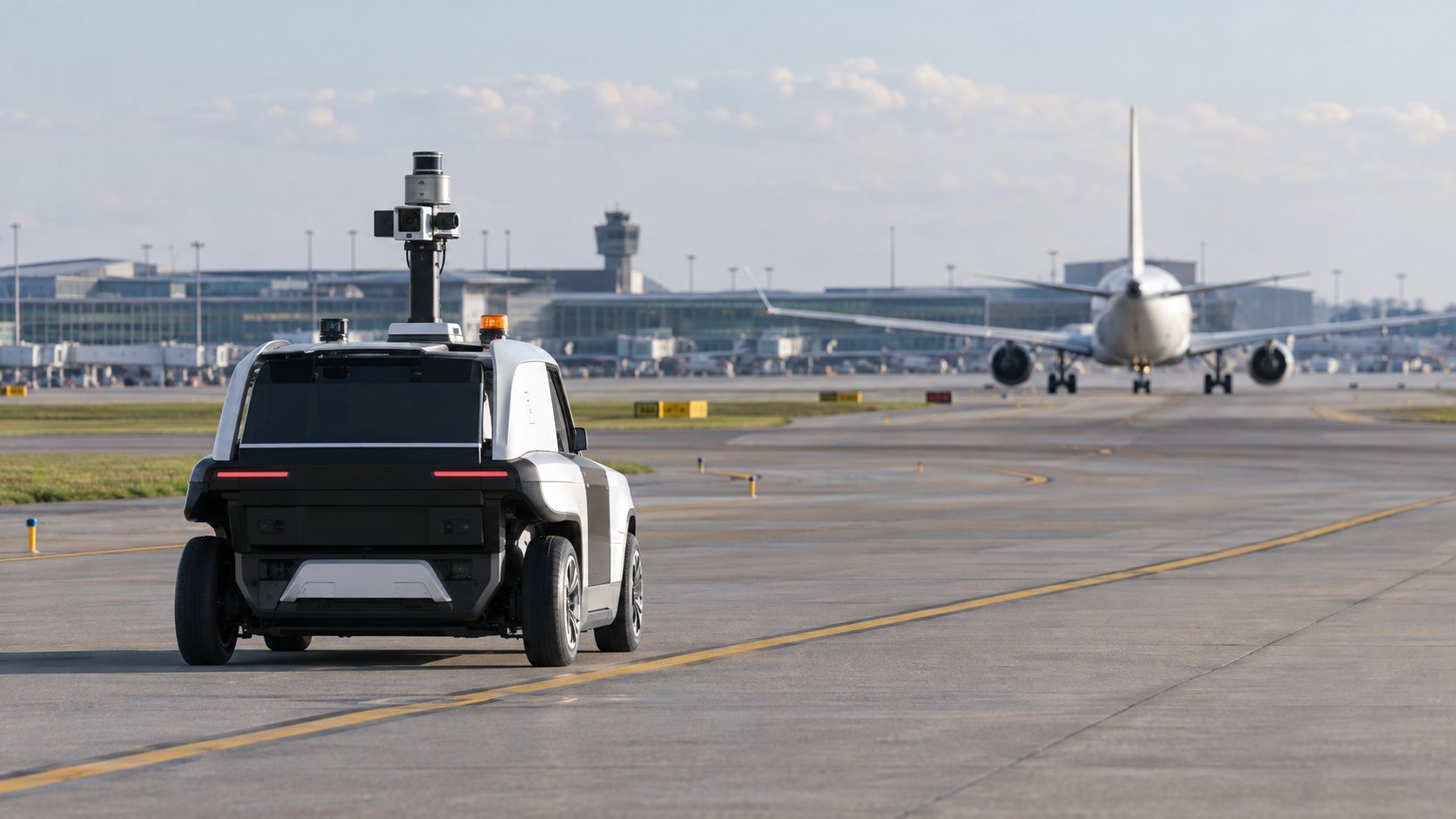
Airbus says its UpNext Optimate research campaign has ended after more than 500 hours of ground testing and 14 hours in the air. Those figures describe an experimental programme, not an operational service. The company published its account on 8 October 2026.
The work moved in stages: software simulation, an electric ground vehicle fitted with a virtual A350 flight deck, then trials on an A350-1000 test aircraft. Airbus studied automated taxiing alongside pilot assistance, trajectory protection and digital communications. Testing in an airport environment helped expose practical issues such as glare and heat shimmer affecting sensors.
Airbus says pilots could override the automated trajectories. That distinction matters: this was research into ways to support crews and coordinate movements, rather than an announcement that aircraft can taxi without them. The company has not given a date for deploying these experimental functions in airline operations.
Source
Related reading
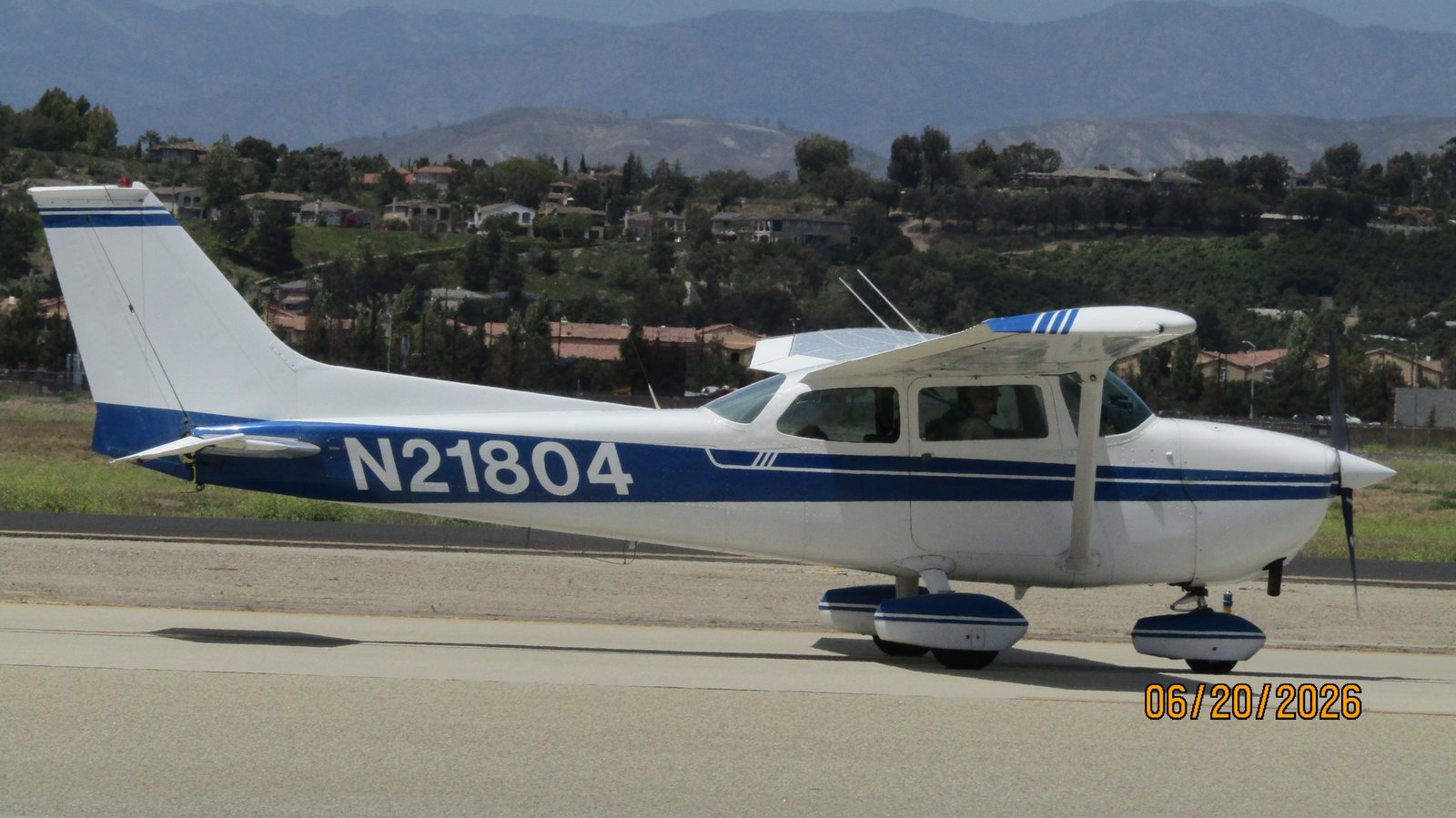

Different paths in general aviation: piston and turboprop
A propeller tells only part of the story. Engine architecture and the intended mission add the context.
Read more

Read aircraft figures in context
Cruise speed, range and seats become useful only when their definitions and conditions stay attached.
Read more